Language revival (Happy Meänmaa Day!)

I heard a lot of Finnish growing up, in church and at gatherings, and whenever Grandma talked to her Finnish friends. I can still say Good Girl, Bad Boy, Poopy Pants, Milk, Bread, Oatmeal, Scarf, God’s Peace, Forgive Me, Thank You, and What? At least I thought they were Finnish words. Now I’m not so sure. Since Grandma’s people were from Övertorneaå, they are more likely Meänkieli, or Tornedalen Finnish. Some of her ancestors spoke North Sámi and there are many loan words between the languages. I suspect any person with roots in the Torne valley is similarly mixed, although it seems in Sweden one is expected to choose which ancestors to acknowledge. That’s another tragic effect of colonialism, pitting people against one another.

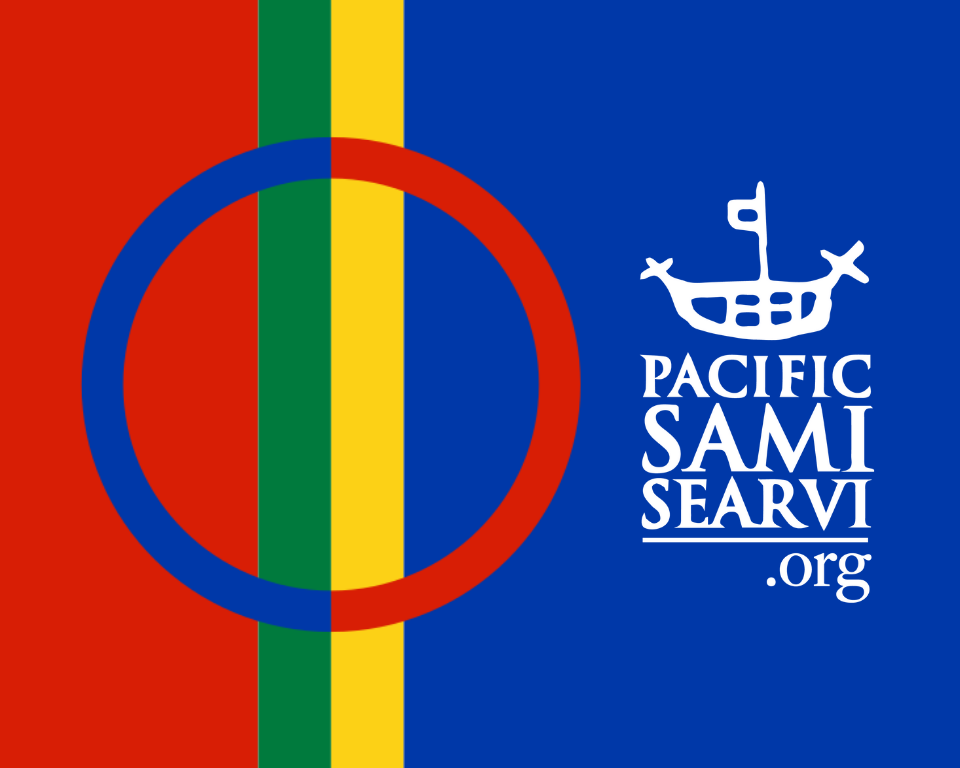
Meänkieli is now one of the five minority languages of Sweden, largely due to the efforts of Bengt Pohjanen, prolific author, translator, agitator, and Orthodox priest. In 2016, after corresponding by email for several years, I met Bengt and his gracious wife Monika at their home for a memorable dinner (those Tornedalen potatoes!). He gave me this wonderful Meanmäa flag, which now flies from our porch on July 15th.

If I had a hundred lifetimes, I would devote myself to learning all of my ancestral languages.

All of them are minority languages: meänkieli, julevsámigiella (Lule Sámi), davvisámigella (North Sámi), karjalaižet (Karelian), suominkieli (Finnish), and walon, or whatever French the Walloons spoke in the 18th century.

It probably bears little relationship to the French I studied in college, which is still rudimentary despite marrying a fluent speaker. I studied Italian for a few months before our honeymoon, and Swedish before my big ancestral tour, but little was retained. Most recently I took a North Sámi class, and it was more challenging than all the others combined. It will take a lot of effort and even more courage to reclaim it.

In a radio interview last year, I introduced myself in North Sámi, which I usually do when giving talks in our community. But on Sámi radio? What was I thinking? Please edit this, I begged immediately afterward. I’m going to look like an idiot. My interviewer (the very genial and professional Tobias Poggats) assured me all was fine, and I decided that my distress was, in fact, good stress. To speak the words my ancestors were punished for speaking is a triumph. They are cheering me on. Good stress. (I’ve pasted the transcript below).

Of the many good reasons to preserve languages, the individual benefits are usually emphasized (the continuity of language in minority communities has been linked, for example, to better health and fewer suicides). But there are universal benefits:

Just as ecosystems provide a wealth of services for humanity – some known, others unacknowledged or yet to be discovered – languages, too, are ripe with possibility. They contain an accumulated body of knowledge . . . geography, zoology, mathematics, navigation, astronomy, pharmacology, botany, meteorology and more. In the case of Cherokee, that language was born of thousands of years spent inhabiting the southern Appalachia Mountains. Cherokee words exist for every last berry, stem, frond, and toadstool in the region, and those names also convey what kind of properties that object might have – whether it’s edible, poisonous, or has some medicinal value. — David Harrison, When Languages Die


*****

Here is a rough translation of my interview.

Sami association in the USA is revitalizing Sámi culture
mu namma lea Julie Whitehorn ja mon lean davvi-minnesotas eret . . .  (my name is Julie Whitehorn and I am from Minnesota . . . )

That’s how Sámi cultural revitalization on the other side of the ocean can sound. The Sámi association Pacific Sámi Searvvi in the USA has about a hundred members and the head of the association Julie Whitehorn tells us who she is and that she’s learning Sámi through the internet:

. . . this is me trying to learn Sámi online via the computer. It's difficult because in Seattle we don't have any language resources, but we want to change that.

The association she leads wants to revitalize the Sámi culture for Sámi in America. 

Sámis have been traveling across borders for a long time. There are stories and pictures of Sámi who have crossed the Atlantic to America during recent centuries. Julie is a descendant of Sámi from Gällivare / Jokkmokk. When she was young she was a part of the Laestadian church in America, and she often heard about the place where Laestadius came from. As an adult she visited and wondered why her relatives left such a beautiful place.

There's a lot of healing that can happen. I have met so many people who discovered their roots as adults, who feel that they are taking back something that was stolen from them. Because it was stolen, from all of us. 

Julie Whitehorn says that some are still questioning their Sámi identity while other are wanting to live a Sámi life where they are. She says the association would like to have more contact with Sámi and create connections between Sámi in different countries.

. . . seamme mearra, eara gatti, and I apologize if that's not entirely correct, but I mean to say same sea, different shore.
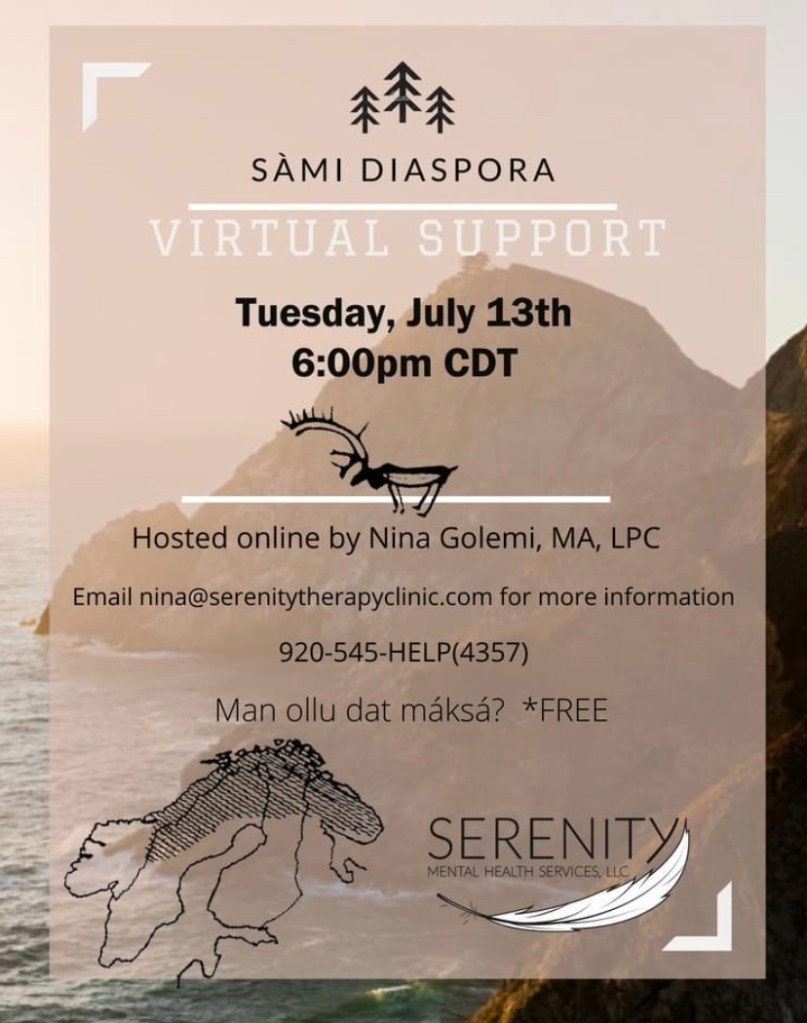
Diaspora Meetup Today

The Sámi of America Facebook group has many active, thoughtful members. Niina Serene is a licensed therapist who offered, in the wake of posts about Canadian residential schools, to lead an online support group. It makes me so happy to see folks taking initiative and giving their time and skills.

What the world needs now is love, sweet love.

Join if you can!

Sámi Dreams

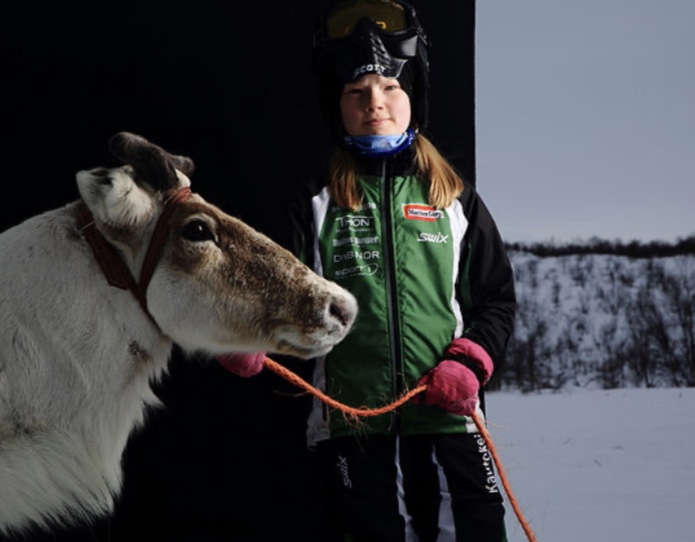
Photo by Randall Hyman of Ana Maria Eira and her reindeer

If you live in or near Portland, Oregon, don’t miss Randall Hyman’s “talking” photo exhibit called Sámi Dreams, September through November, 2021 at the Nordia House, 8800 SW Oleson Road.

This stunning collection of portraits and interviews includes audio by the portrait subjects. It’s as if they are in the same room with you. The photographer and curator Randall Hyman is an accomplished observer of the Arctic, with four decades covering natural history and travel topics for Smithsonian, National Geographic, Discover, American History, The Atlantic, Science, Wildlife Conservation, et al.

As a 2013 Fulbright Scholar in Norway and guest of the Norwegian Polar Institute, Hyman covered field science, resource development and climate change in the Arctic for a number of organizations and publications. In 2015, he was the distinguished Josephine Patterson Albright Fellow of the Alicia Patterson Foundation, expanding on his coverage of Arctic climate change. He continues to focus on Arctic topics and lecture on polar climate change across the United States and Europe.

The exhibit was most recently in Minneapolis. I hope our National Nordic Museum will consider hosting it next; it deserves a wide audience.

Save the Date!

I’m delighted to share the news that Sandra Andersen Eira of Russenes, Finnmark will be visiting the USA this summer.

Among her events will be a presentation on

Wednesday, August 4, 2021
Leif Erickson Lodge in Seattle
Time TBA. Probably 6:30 pm.

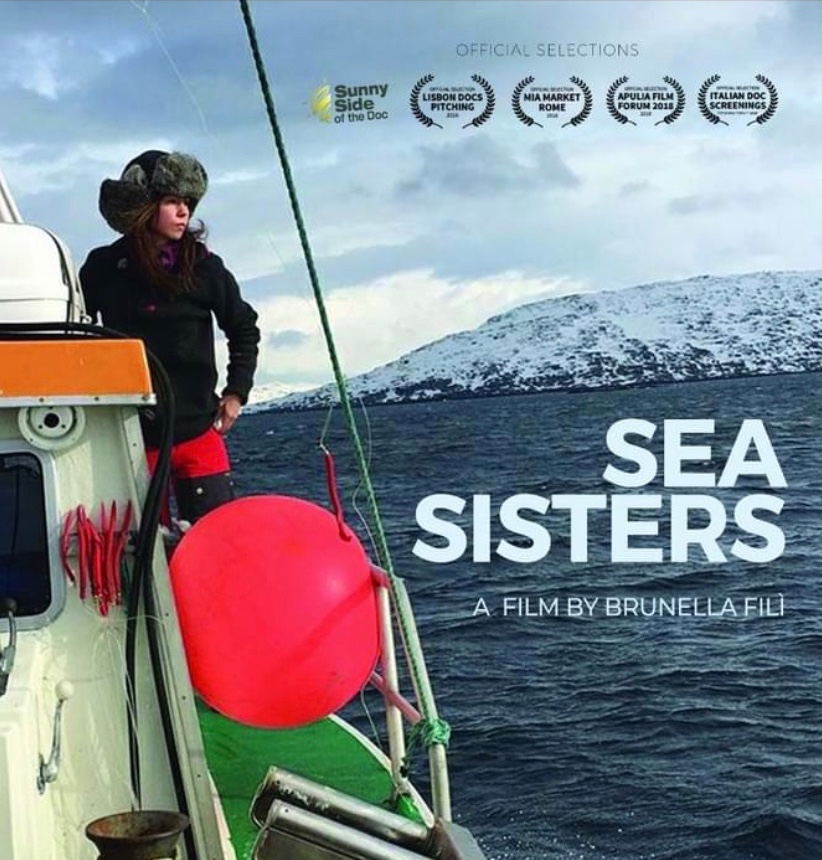
Sandra just concluded her term as representative of the Sámi parliament on the Norwegian side. She is a sea captain, fisherwoman, world traveler, mom, and subject of an upcoming documentary about women in fishing. Watch the trailer here.

Kudos to the Leif Erickson for welcoming Indigenous Norwegians!

Sámi Film Minifest

Sámi Film Mini Fest 2x4 blue (3)

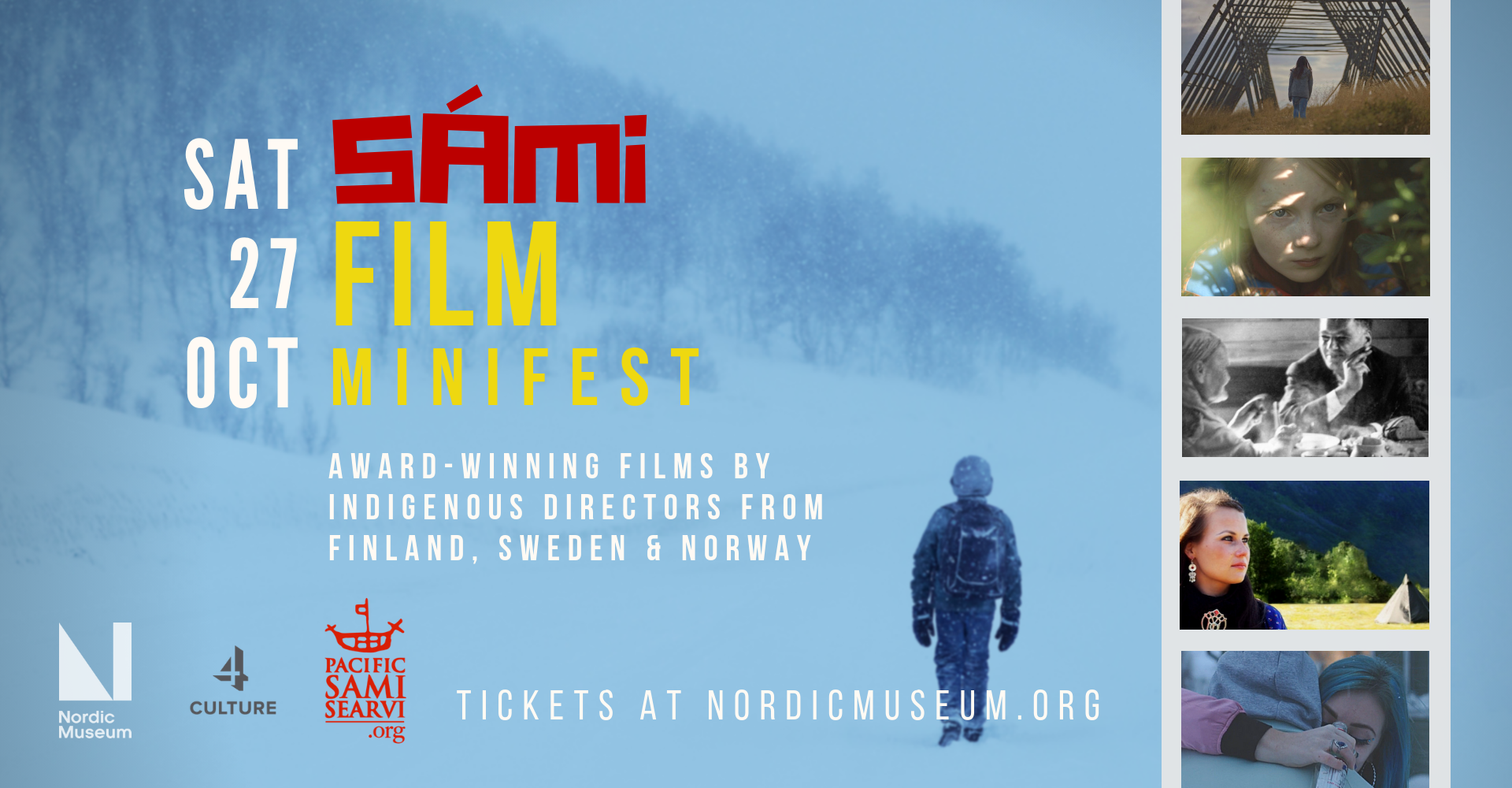
A dream come true: the first Sámi film festival in Seattle. If you’re reading this, trust me, you do want to miss these films, some of which are enjoying their premiere, and others that have won awards on the festival circuit and are unlikely to be screened here again.

Of particular interest for history buffs is “Kaisa’s Enchanted Forest” with French, Skolt Sami, German, and English dialogue (all the films are subtitled in English). It’s a moving and skillfully woven tale of unlikely friendships and the plight of the Skolt Sámi.

The documentary “Me and My Little Sister”  follows two sisters, one straight, one gay, who go in search of acceptance in Finnish and Norwegian Sápmi as well as Canada, and discover the myriad ways people restrict and empower one another.

Another film offering insight into hidden Sámi identity is “Family Portrait,” which follows the filmmaker’s effort to reunite her family in Norway.

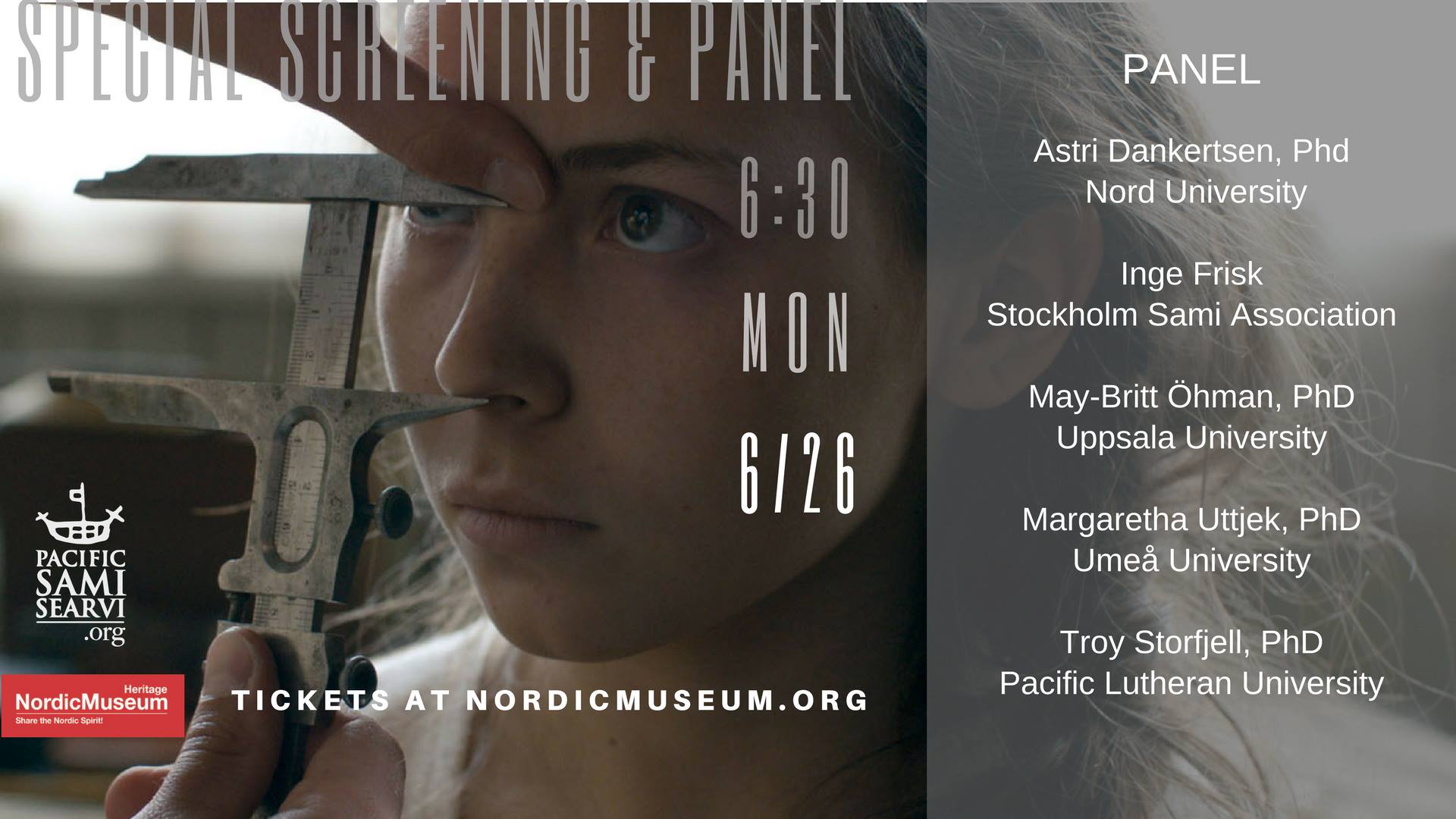
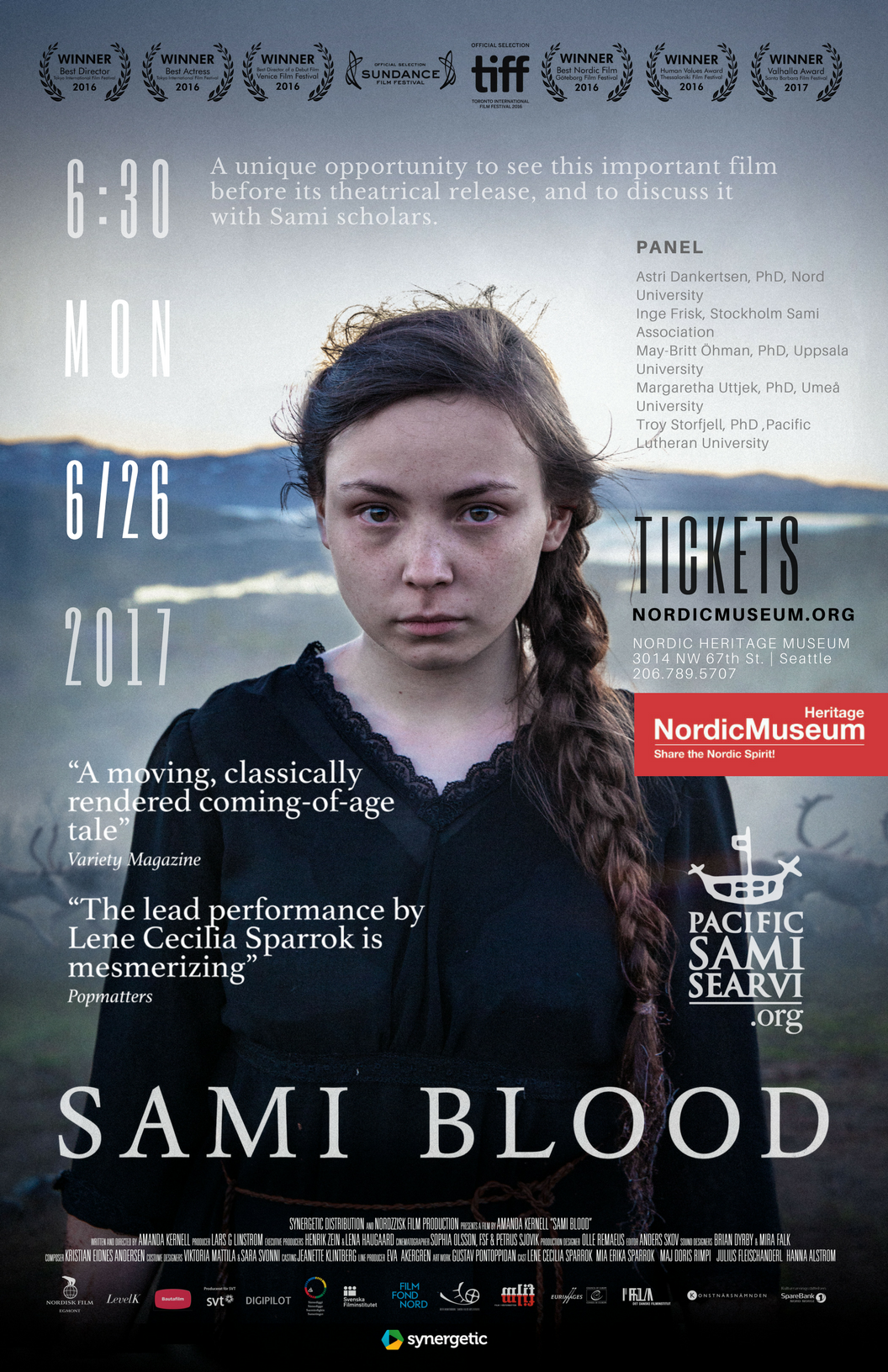
A variety of several short films will amuse, inform, and confound expectations. For fans of “Sámi Blood,” which won the Space Needle award at SIFF last year, don’t miss Amanda Kernell’s “I’ll Always Love you Kingan.”

Included in the day pass is a tour of the Sámi exhibits in the beautiful new museum. There will also be a panel discussion and happy hour, with food and drink available.

As the recently-elected president of the all-volunteer Pacific Sámi Searvi Board, I will be present with fellow boardmembers, enjoying the festival and recruiting new members. If you’re lucky you’ll walk away with one of these stickers for your laptop or car. See you there!

PSS pride flag (4)

Crossing Borders in 2018

Lavvu poster Facebook (3)My 19-year old, eminently more-qualified son and fellow boardmember Dalai introduced the Sámi film at the Nordic Lights Film Festival last weekend: the feature-length documentary Arctic Superstar about hiphop artist Nils-Rune Utsi aka “SlinCraze.” Dalai mentioned that his great-grandfather, who left Sápmi with his accordion at age 24, would be surprised to know that Sámi youth are proud of their culture and helping keep it alive not only through joik, but rap. (Surprised is an understatement. Grandpa must be rolling in his grave!)
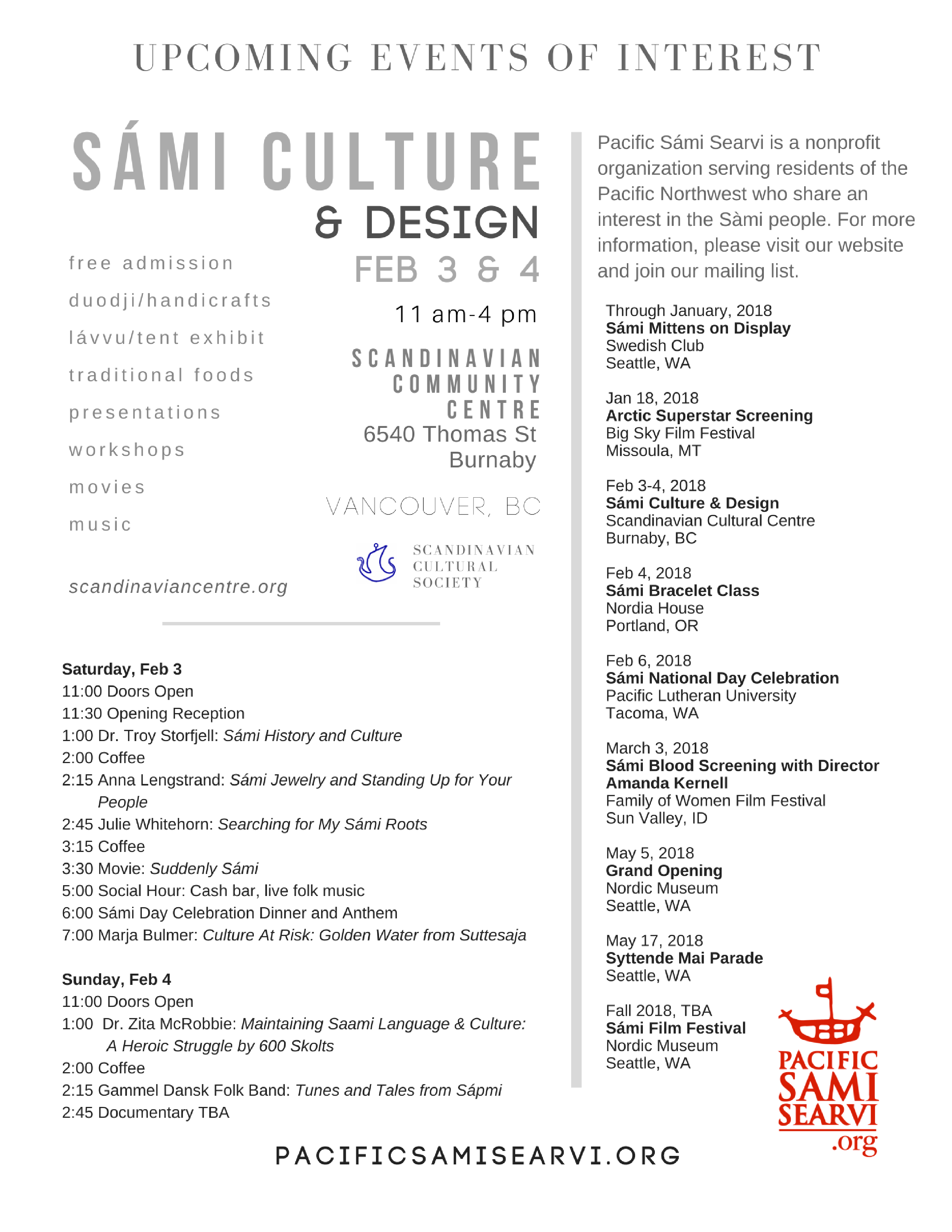
This is the 9th year of the festival and the 6th year of films from Sápmi. It was in 2012, after a screening of Suddenly Sámi, that the Pacific Sámi Searvi was created after a few of us decided to keep meeting regularly. Fast forward six years, and we are screening the film again, this time in Canada at an event cosponsored by Burnaby’s Scandinavian Cultural Society. Several members of the Canadians of Sámi Ancestry Facebook page will join us, as well as Sámi professor Troy Storfjell and other scholars. I’ll give a brief talk about my ancestral trip to Sápmi.

Below is the flyer we distributed the film festival. Please join us if you’re able.PSS Upcoming Events Flyer (1)

Travels in Sápmi

Laura Ricketts (2)Having corresponded briefly by email, I can hardly wait to meet Laura Ricketts in October, first at the Nordic Knitting Conference, where she is teaching and giving the keynote, and then at the Swedish Club, where she’ll talk about her travels in Sápmi, hosted by Pacific Sámi Searvi (I’ve joined the board again). Laura is the author of the e-book Discover the Wonderful World of Sámi Knitting and has published about Sámi knitwear extensively (you can find several patterns on Ravelry, including my favorite: the Jokkmokk flowers). Faith Fjeld, the beloved Sámi-American who launched the journal BAIKI, said an article by Laura helped make the July 2013 issue one of the most popular. A history teacher who has lived in Siberia and Mongolia, Laura experiences and insights will engage even the non-knitters among us. So bring your mates and kids.

The event is free, so no tickets are needed, but as I’m bringing the refreshments, please reserve your seats so I can get a headcount. Thanks! Hope to see a lot of folks there.